FREIGHT ELEVATOR

FREIGHT ELEVATOR

Freight elevators, also known as goods elevators or cargo elevators, are specialized types of elevators designed for the transportation of goods, equipment, and heavy or bulky items within commercial, industrial, and residential buildings. Unlike passenger elevators, which are primarily intended for human transportation, freight elevators are optimized for the safe and efficient movement of freight. Here are some key features and characteristics of freight elevators.

Freight elevators play a vital role in various industries, facilitating the movement of goods and equipment efficiently and safely. Their design and features are tailored to meet the demands of each specific application, from warehouses and manufacturing plants to hospitals and commercial buildings.

Freight elevators have a significantly higher weight capacity than passenger elevators. They are designed to carry heavy loads, ranging from several hundred kilograms to several tons, depending on the specific application.
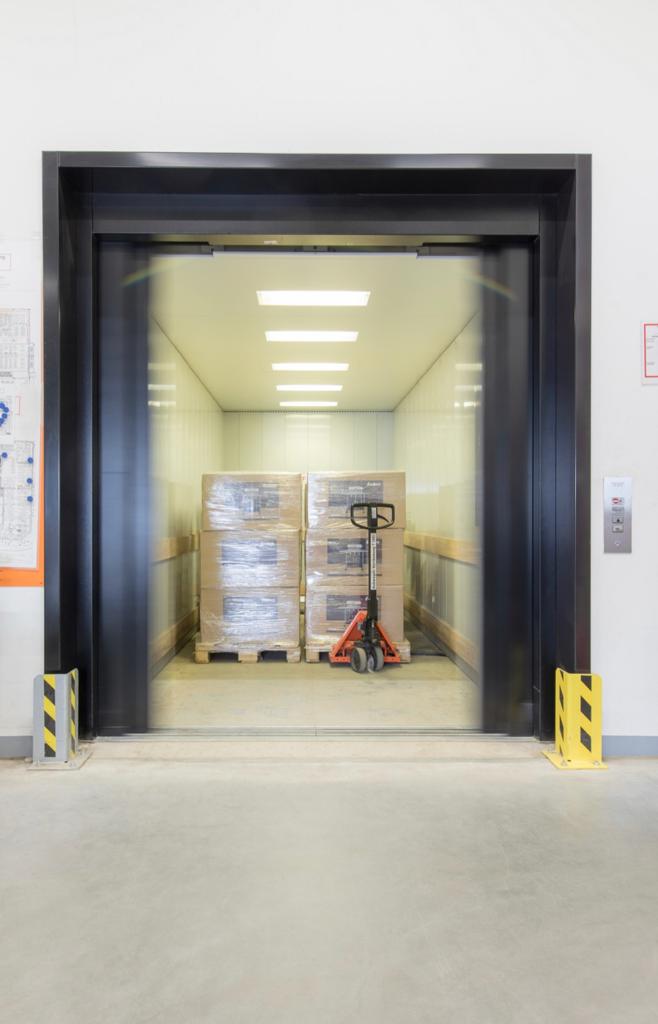
Features of FREIGHT ELEVATOR

Freight Elevators, also known as cargo elevators or goods elevators, are essential components in industrial, commercial, and residential buildings, designed specifically for the efficient and secure transportation of goods, equipment, and heavy loads. These elevators differ significantly from their passenger counterparts, as they prioritize durability, weight capacity, and functionality. Here are the key features and characteristics of freight elevators:

  • Impressive Weight Capacity: One of the most prominent features of freight elevators is their remarkable weight-carrying capacity. These elevators are built to transport heavy loads, ranging from hundreds of kilograms to several tons, making them indispensable in industries like manufacturing, warehousing, and logistics.
  • Robust Construction: Freight elevators are constructed with rugged materials and reinforced components to withstand the rigors of moving heavy and bulky items. This ensures their long-term reliability and durability in demanding environments.
  • Speed and Efficiency: These elevators are designed for efficiency, with faster door opening and closing times to minimize delays. Speed is also important to ensure quick access to different floors when needed.
  • Spacious Car Dimensions: The interior of a freight elevator is notably more spacious than that of a passenger elevator. This extra space is essential for accommodating large and irregularly shaped cargo, ensuring that items can be transported safely without risking damage.
  • Freight Doors: To withstand the impact of heavy goods, freight elevators typically feature two sets of doors – a vertical-sliding inner door and a collapsible outer door. These doors are designed for both security and durability.
  • Loading and Unloading Convenience: Many freight elevators are equipped with features that enhance the loading and unloading process. This can include roll-up doors, ramps, or levelers that make it easier to move carts and equipment into and out of the elevator.
  • Controlled Speed: Freight elevators usually operate at lower speeds compared to passenger elevators. This controlled speed is critical for the safety of both the cargo and operators during transportation.
Facebook
Instagram
Twitter